LINGUISTIC PHONICS • SOUND-TO-PRINT • THE SCIENCE OF READING
What if Your Students Aren't Struggling with Reading—
But Struggling with the Method?
CAPIT Reading uses the Sound-to-Print method that starts with what kids already know — the sounds in their mouth — and shows them how those sounds look in print. Suddenly, English makes sense! And kids learn to read.
Finally, a Sound-to-Print P-5 reading curriculum and progress-monitoring tool to support students in all three tiers of instruction.
Learn More about the Sound-to-Print Method

Sound-to-Print Reading Curriculum • P-5
An Evidence-based literacy platform that delivers results at scale
2.16x
more likely to achieve kindergarten readiness
2
Johns Hopkins University validation studies
THOUSANDS
of students in schools and districts nationwide
CAPIT earned a Tier 2 ESSA rating through the Center for Research and Reform in Education at Johns Hopkins University. The research shows that CAPIT helps all students learn to read, regardless of race, gender, or income, with slightly greater benefits for English learners and students in special education.
Validated by Johns Hopkins University.
Trusted Nationwide.
THE EVIDENCE
1,488 Pre-K students across 80+ schools. Controlled for gender, race, IEP status, and income. CAPIT students were 2.16x more likely to reach kindergarten readiness, gaining the equivalent of 46 extra days of learning — nearly two additional months.
JHU FLORIDA PRESCHOOL STUDY
Kindergarten students showed meaningful gains across all demographics—29% growth in early literacy within six months—with benefits for every subgroup studied.
OKLAHOMA KINDERGARTEN STUDY
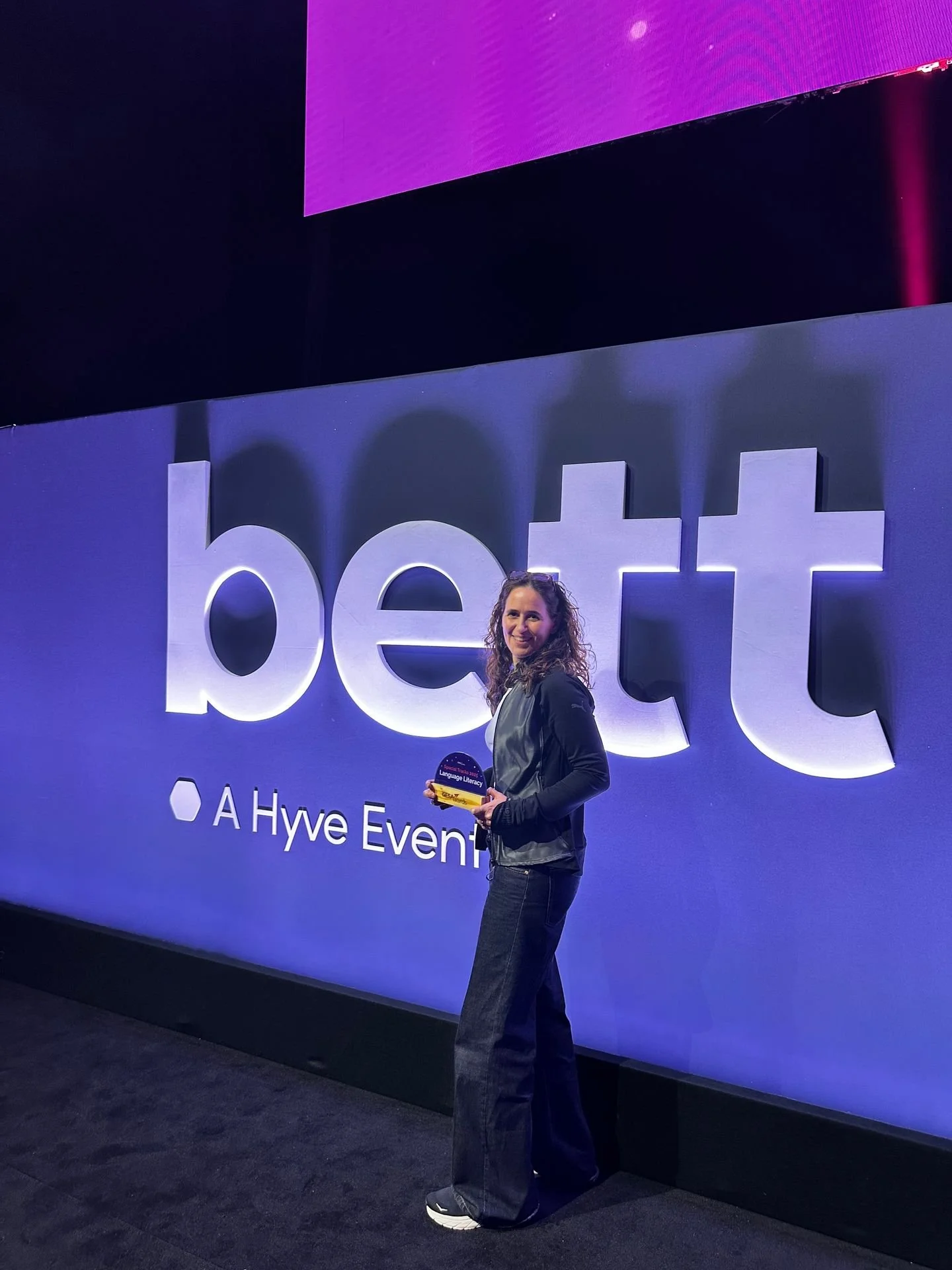
2026 Language & Literacy Award Winner Recognized at the Global EdTech Startups Awards at Bett UK for innovation in language and literacy instruction.
GLOBAL RECOGNITION
They Went Sound-to-Print
and the results were immediate!
FROM SCHOOLS AND DISTRICTS LIKE YOURS
What sets it apart is how quickly you see results. Most curriculum changes take time. With CAPIT, we see movement in our progress monitoring and NWEA data almost immediately. We haven't found any other resource that supports true Sound-to-Print instruction the way CAPIT does.
Nicole Valnes, Curriculum Director
Yankton School District • Yankton, SD • First Full Year
“
Typically, most students enter kindergarten without knowledge of letter sounds. Our students finish kindergarten being able to read. In the Archdiocese of San Antonio — 35 elementary schools — we've been the top school in NWEA MAP assessments for four years running.
Dr. Jimmy Gouard, Principal
St. Louis Catholic School • Castroville, TX · 7 years with CAPIT
“
The learning gap? I don’t think our first-grade teachers will have one, and that’s all because of CAPIT.
Dr. Kingsby, Principal
Los Angeles, CA
“
I spent 16 years gathering tricks that help kids remember their “sounds,” but none of them compare to what CAPIT brings to the table.”
Kindergarten Teacher
Edmond, OK
“
From the 3rd Percentile to the 74th — Then Everyone in the District Wanted CAPIT
We started CAPIT as a last resort for a student who had tried every intervention we had. In January, she knew 15 letters and 3 sounds. Four weeks after starting CAPIT, she knew 24 letters, 22 sounds, and her automaticity jumped from 3 per minute to 17. By the end of the year, her NWEA foundational skills score rose from the 3rd percentile to the 74th percentile.
When you get results like that, word spreads fast. Classroom teachers began requesting implementation, and now we use CAPIT school-wide in our brand-new early childhood building — preschool through kindergarten — as well as in our ELL and Title I programs. Almost every week, another teacher emails me: ‘Can we get CAPIT, too?’
Nicole Valnes, Curriculum Director
Yankton School District • Yankton, SD • First Full Year
Phonics has been around for centuries.
So why are students still struggling with reading?
THE READING CRISIS
Districts spend millions on literacy every year. Teachers are working harder than ever. And yet, 69% of students still aren't reading proficiently. The usual explanation is that schools haven't fully embraced phonics. But phonics isn't new — it's been around for centuries. If it were truly sufficient, it would have solved this problem long ago.
The issue isn't effort. It's the method!
150+
years of “reading wars” between phonics and whole word methods — and proficiency hasn't moved
$$$
Districts spending on multiple disconnected tools — core, supplemental, intervention — and still falling short
69%
of U.S. students read below proficiency level on NAEP assessments
Traditional Phonics VS. Linguistic Phonics
THE BIG BREAKTHROUGH
For decades, traditional phonics (like Orton-Gillingham) pointed to letters and told students: “This letter makes the sound…” But here's the problem—letters don't make sounds. People do! No wonder so many students get confused. Sound-to-Print—also known as Linguistic Phonics—flips the entire model, and the difference is transformative.
Start with what students
don’t know: Letters
Traditional programs point to a letter and tell students, “This letter makes the sound…” But in English, one letter can make many different sounds (and even remain silent)—making English feel random, confusing, and full of exceptions.
TRADITIONAL PRINT-TO-SOUND METHOD:
X Begins with what kids don’t know (abstract symbols)
X English feels illogical and unpredictable
X High cognitive load — rules, exceptions, sight words
X Struggling readers and ELLs fall further behind
TRADITIONAL PHONICS • PRINT-TO-SOUND
Starts with what students
already know: Speech
CAPIT begins with the speech sounds students already produce every day, then shows how those sounds are written down. Letters become a code for speech — a code that's logical, consistent, and crackable from day one.
THE SOUND-TO-PRINT METHOD:
√ Builds on what students already know (language)
√ English becomes a logical and decodable
√ Low cognitive load—no rules to memorize
√ Proven effective for struggling readers and ELLs
LINGUISTIC PHONICS • SOUND-TO-PRINT
Further Reading on the Sound-to-Print Method
Wondering how Sound-to-Print compares to Orton-Gillingham? See our research-based comparison.
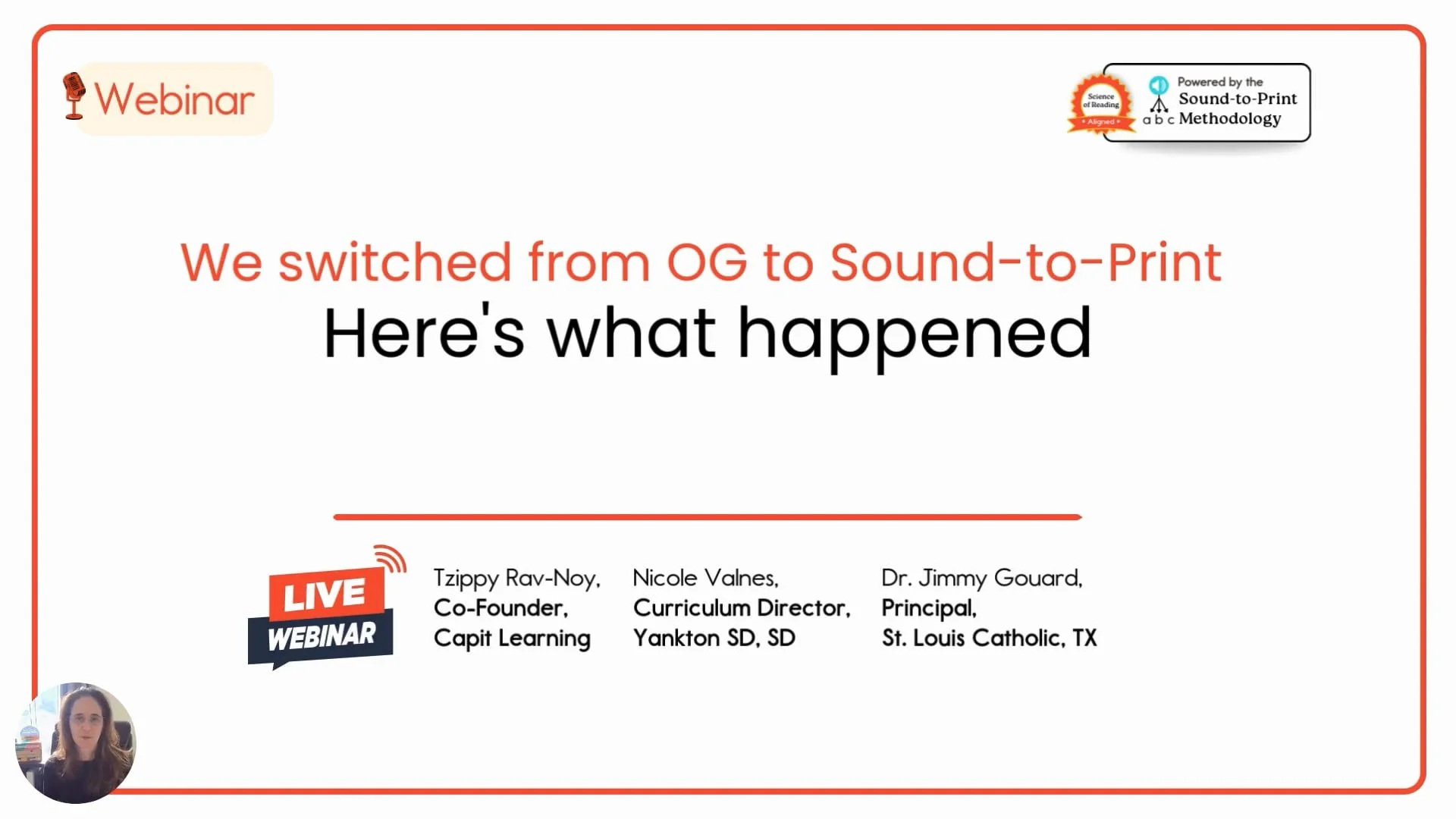
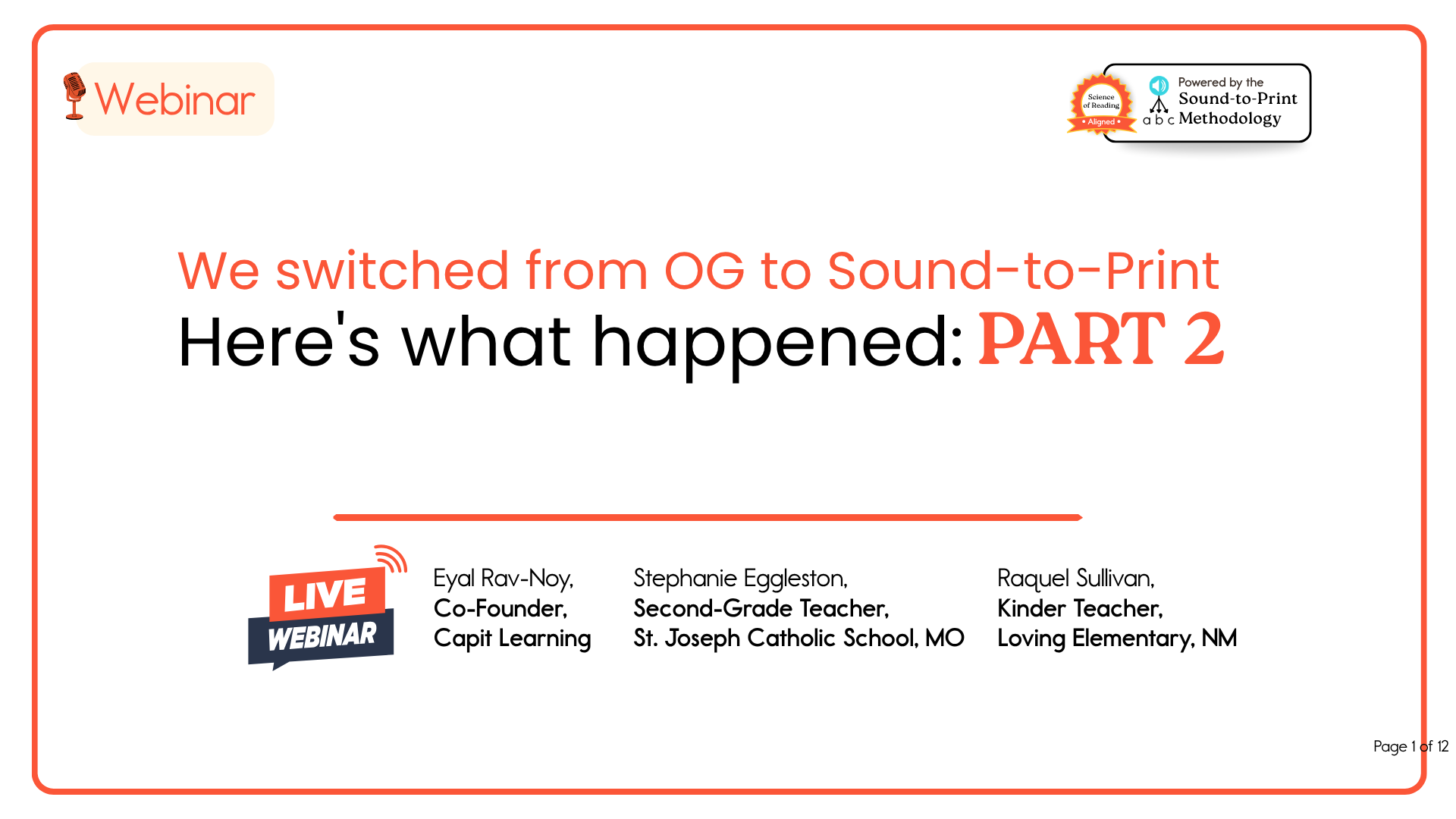
“We switched from OG to Sound-to-Print.
Here's what happened.”
🎙️ WEBINAR 1
Discover why schools and districts across the country are dropping OG for Sound-to-Print and hear directly from a district leader and principal who made the switch. Learn why they chose it and the compounding reading growth they're seeing year after year.
🎙️ WEBINAR 2
What Does Sound-to-Print Look Like in a Real Classroom?
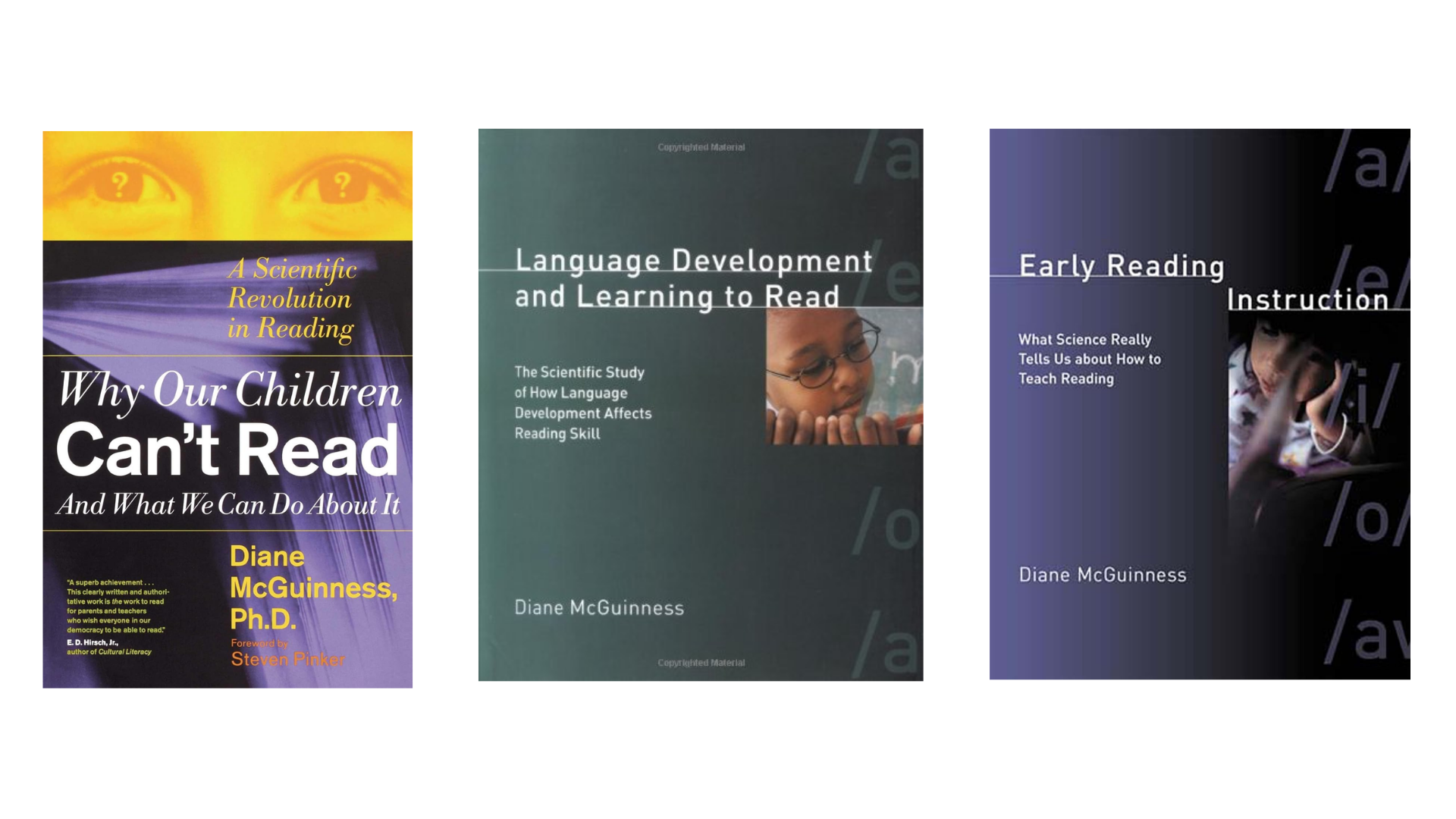
Capit Learning co-founder Eyal Rav-Noy walks through the Sound-to-Print method—also known as Linguistic Phonics and Speech to Print, the framework pioneered by cognitive psychologist Diane McGuinness—and shows exactly how it works inside the CAPIT Reading curriculum.
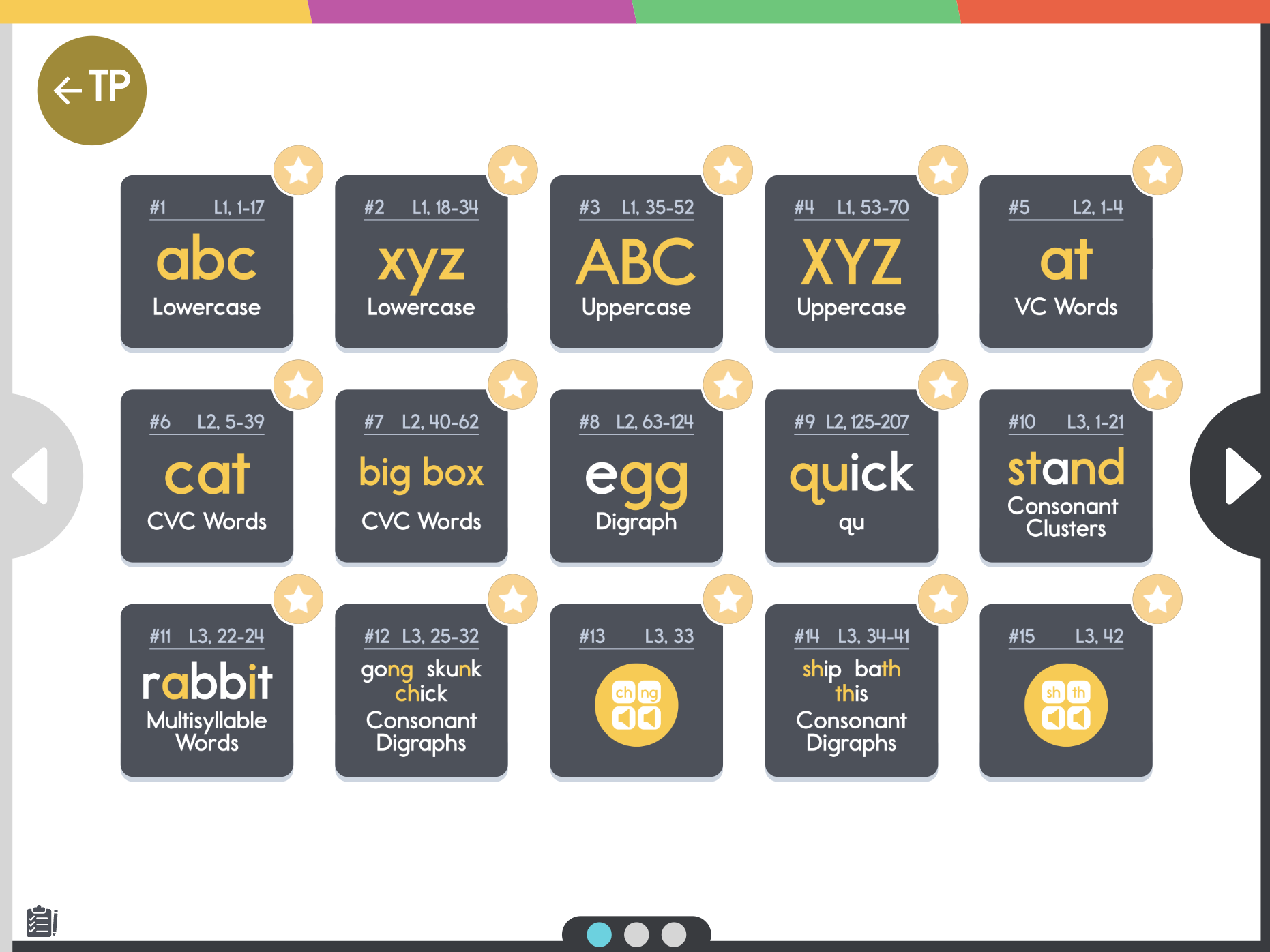
Five Levels. One Continuous Path.
PHONICS PROGRAM + PROGRESS MONITORING FOR ALL THREE TIERS OF INSTRUCTION
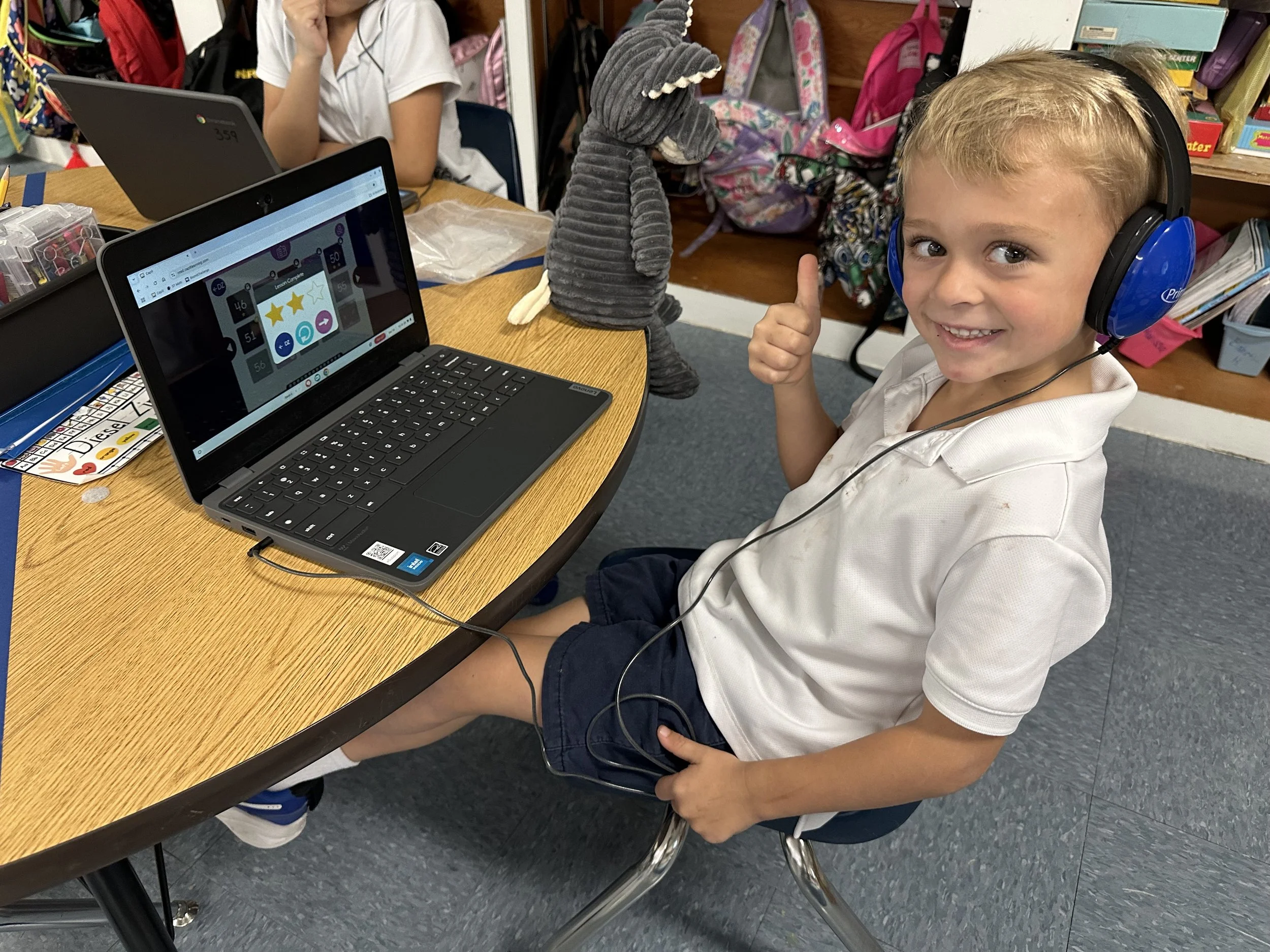
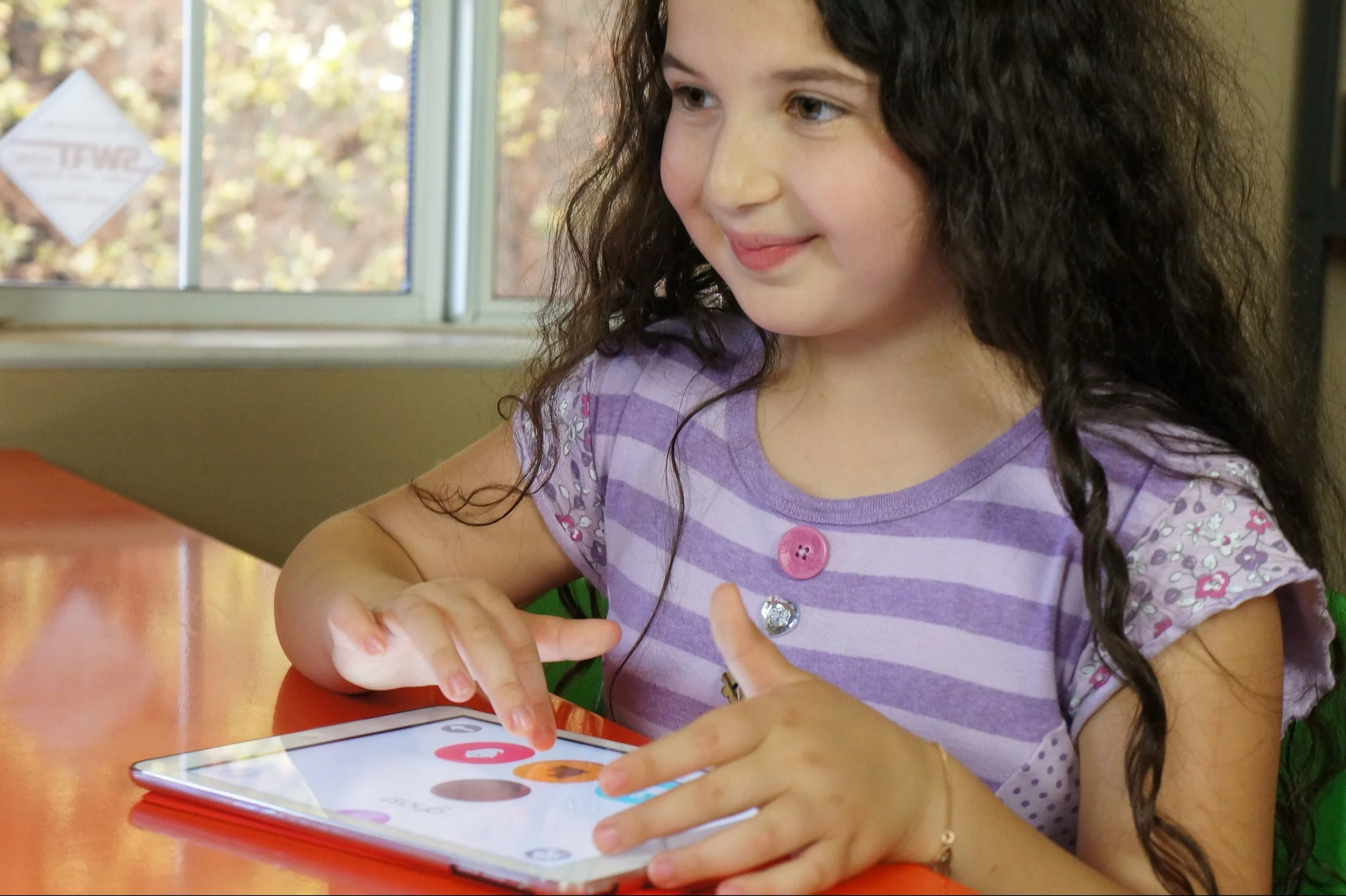
CAPIT Reading combines daily teacher-led instruction with interactive, self-paced student practice on a tablet or computer — just 15–20 minutes a day, 4–5 times a week. Built-in progress monitoring keeps educators informed and students on track.
Keeping Teachers Front and Center
TECHNOLOGY THAT VALUES TEACHERS
Technology Cannot—and Should Not—Replace Teachers.
Imagine a digital curriculum that offers all the benefits of technology without replacing the teacher. CAPIT Reading is the only digital learning platform that keeps teachers front-and-center of the instruction. Instead of sidelining them, we empower them to become expert phonics instructors.

Teacher-Led Tier 1 Instruction
with Lesson Plans and Scripted Lessons

Personalized Support for all students in all Three Tiers of Instruction
Everything Teachers Need.
All In One Place.
WHAT’S INCLUDED?
Five levels covering phonemic awareness, phonics, decoding, encoding, handwriting, vocabulary, fluency, and comprehension.
FULL DIGITAL CURRICULUM
Real-Time Progress MonitoringAdmin and teacher dashboards with mastery data, time on task, and student growth — actionable and immediate.
REAL-TIME PROGRESS MONITORING

Seamless Integration
Works alongside any core ELA curriculum, supplementing Tier 1 and serving as the primary tool for Tier 2 and Tier 3.
SEAMLESS INTEGRATION

Adaptive Placement
Students are assessed on entry and placed at their instructional level. No wasted time on skills already mastered.
ADAPTIVE PLACEMENT
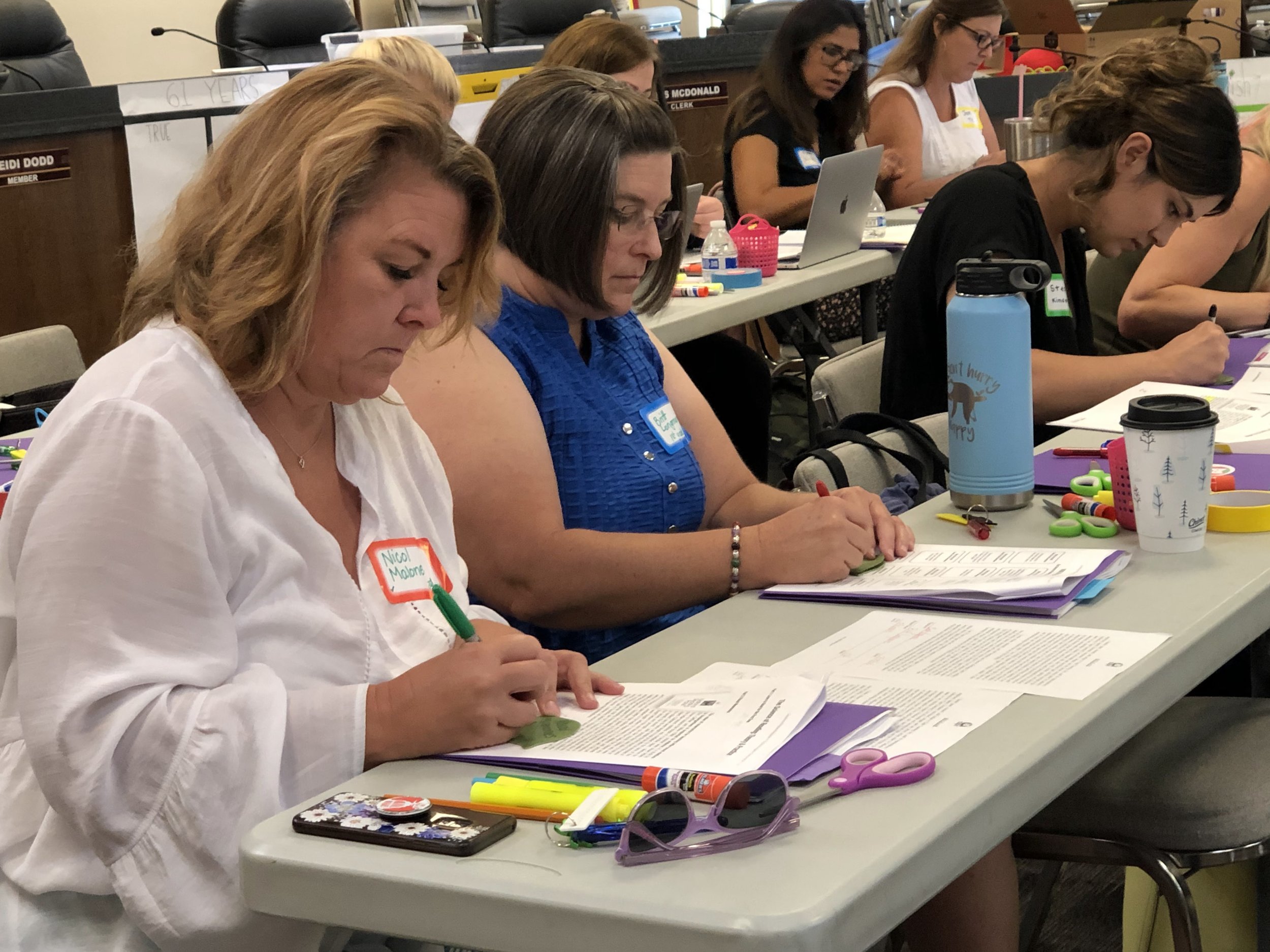
Professional Learning
Live and on-demand PD — Sound-to-Print methodology training, implementation support, and ongoing coaching.
Explore PD offerings.
PROFESSIONAL LEARNING
Multisensory Kit • Proprietary Visual Mnemonics that connect sounds to memorable images • Sound Wall; hundreds of downloadable worksheets.
MULTISENSORY RESOURCES

FLEXIBLE IMPLEMENTATION
One Method. Built to Fit Your School.
Schools should set their own technology policy, so we built CAPIT Reading to be flexible by design. Every model below is running in P–5 classrooms today, and you can mix them freely: by classroom, by grade, or by tier (1, 2, and 3).
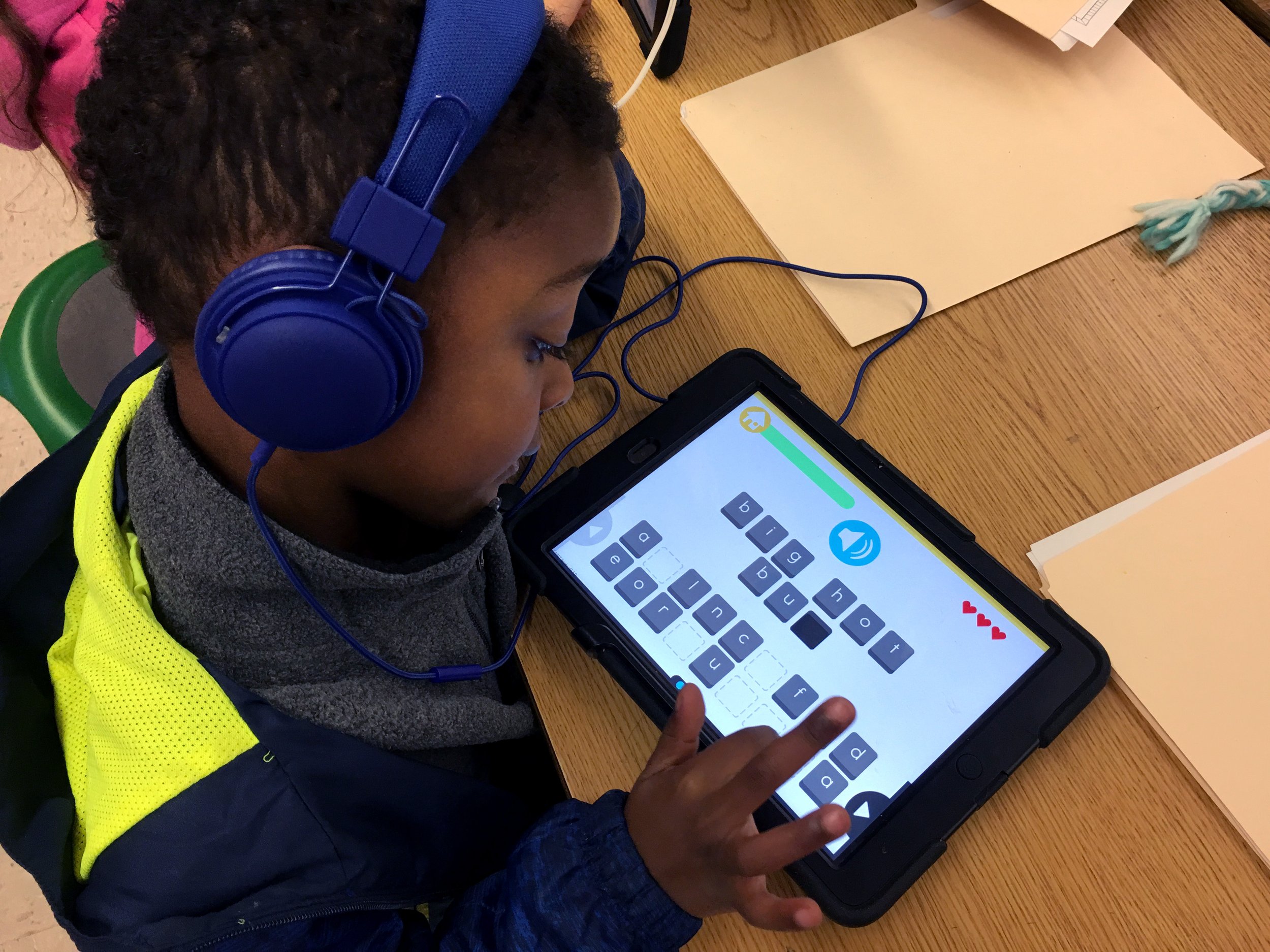
Fully Digital
Interactive teacher-led digital lessons, plus self-paced student practice on devices, with automated placement and real-time progress data.

Partly Digital
Interactive teacher-led digital lessons. Students practice on paper. Devices used only for placement and progress monitoring.
Tech Light
The teacher delivers instruction digitally while students practice entirely on paper—no student devices needed.

Fully Paper
No devices required. Scripted lessons, 100’s of worksheets, sound and spelling cards, and classroom Sound Wall.
The curriculum, sequence, and scope stay identical. Only the delivery changes.
350+ Languages in American Classrooms.
CAPIT Works for All of Them.
BUILT FOR EVERY LANGUAGE
Most reading programs require translation or separate ELL modules. CAPIT doesn't. Sound-to-Print makes this possible.
Language agnostic by design — Sound-to-Print works for every student regardless of home language, with zero modifications
No separate ELL program needed — Every student uses the same application the same way, together as equals
No verbal instructions required — Students explore sounds and intuitively build letters, words, and sentences
Proven with ELL populations — Research showed benefits for English learners
350+
languages spoken in U.S. homes.
10%
of students are ELLs — and rising
0
of students are ELLs — and rising
Up and Running in Days, Not Weeks.
IMPLEMENTATION
1 - ALIGNMENT
We walk your team through the platform and methodology to confirm fit.
2 - ROSTERING
Students rostered and placed via adaptive assessment. Teachers get dashboards.
3 - LAUNCH
Sound-to-Print methodology training for teachers — live or on-demand. Ready in 4 hours.
4 - ONGOING PARTNERSHIP
Dedicated partner support, data reviews, and continued professional learning.
See What Sound-to-Print
Looks Like in Your School
GET STARTED

Request a personalized demo for your school or district. We'll show you the methodology, the platform, and the evidence.
Or email us: info@capitlearning.com